
According to Gary L. Kreps and James A. Jackson, language barriers refer to “the difficulties that individuals face when they do not share a common language or when one party’s language skills are limited, resulting in ineffective communication and potential misunderstandings.”
language barriers to communication are challenges that arise when individuals or groups cannot effectively understand or convey messages due to differences in language, dialects, or fluency levels. Language barriers can prevent clear and accurate communication, leading to a breakdown in effective communication between individuals or across diverse cultural contexts.
These barriers can slow down the exchange of information and cultural understanding, limiting the ability to build relationships and convey thoughts accurately. Additionally, cultural differences and emotional factors can further complicate communication when language barriers exist.
Therefore, overcoming language barriers requires strategies such as language learning, cultural competence, and the utilization of technological tools to facilitate understanding and bridge the gaps created by linguistic and cultural differences.
Language barriers in communication can arise from various causes. Understanding these causes can help individuals and organizations proactively address language barriers and overall communication effectiveness.
Different languages and dialects act as significant language barriers to communication. According to Ethnologue , over 7,000 languages are spoken worldwide, leading to significant language diversity. Therefore when individuals speak different languages or even different dialects within the same language, understanding each other becomes challenging. The differences in grammar, vocabulary, and sentence structure present a significant hurdle when it comes to accurately conveying messages.
This can result in communication breakdowns due to the lack of mutual intelligibility, making it necessary to find alternative means of communication, such as translation to facilitate understanding between parties who don’t share a common language or dialect.
Language barriers from different languages and dialects can affect effective communication in various contexts, including personal interactions, business negotiations, and cross-cultural exchanges.
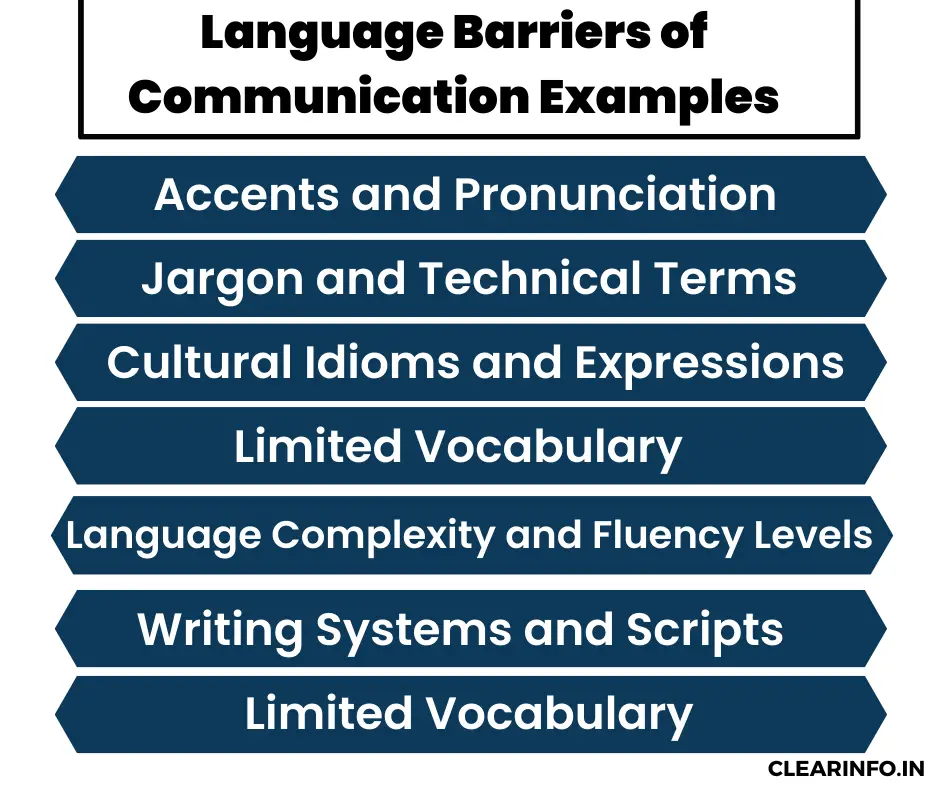
Language complexity and fluency levels refer to the difficulty and proficiency in using a particular language. Different individuals may have varying levels of proficiency in a particular language, leading to difficulties in understanding and expressing themselves clearly. Limited vocabulary, poor grammar, and a lack of fluency can prevent the smooth flow of communication and may result in misunderstandings.
Furthermore, complex languages with complex grammar structures and extensive vocabularies can pose additional challenges. The complexity of a language can make it more difficult for individuals to grasp and use it effectively, especially if they are not native speakers or have limited exposure to the language.
Regional accents and pronunciation variations within a language can create communication barriers. Different regions may have distinct accents, intonation patterns , and pronunciation styles, which can affect understanding, especially for individuals who are not familiar with those variations.
Regional accents can make it challenging to understand spoken language accurately. The differences in pronunciation of certain sounds, rhythm, and speech patterns can lead to misinterpretation or difficulties in understanding specific words or phrases.
Jargon, technical terms, and specialized language refer to vocabulary specific to certain fields, industries, or areas of expertise. When individuals with different backgrounds or areas of specialization communicate, the use of jargon and technical terms can create a significant barrier to understanding.
Specialized language often involves words, acronyms, or phrases that have specific meanings within a particular context. If someone is not familiar with that specialized vocabulary, it can be challenging to grasp the intended message accurately.
Limited vocabulary and language skills refer to a lack of sufficient words or language proficiency to effectively convey thoughts, ideas, or emotions. When individuals have a restricted vocabulary or struggle with expressing themselves fluently, it can hamper communication and lead to misunderstandings.
Limited vocabulary can result in difficulty finding the right words to articulate thoughts or feelings accurately. It can also limit the ability to understand complex concepts or engage in meaningful conversations.
Idioms and figurative language are expressions that convey meanings beyond their literal interpretations. They are often deeply rooted in specific cultures and can pose challenges for individuals who are not familiar with them. Misinterpreting idioms or figurative language can lead to confusion and misunderstandings.
Idioms, such as “ kick the bucket ” or “ let the cat out of the bag, ” may not make sense when translated directly or taken literally. Figurative language, including metaphors, similes, and allegories, requires an understanding of the underlying symbolism or comparisons being made.
Different writing systems and scripts used in various languages can present a significant language barrier. Writing systems can vary in terms of characters, symbols, or alphabets, making it difficult for individuals who are not familiar with a particular system to read or understand written content.
For example, languages that use non-Latin scripts , such as Chinese characters, Arabic script, or Devanagari script, may pose challenges for individuals accustomed to Latin-based alphabets. The visual representation of words and the need for specific character recognition can create difficulties in comprehending written messages .
Regional slang and colloquial expressions refer to informal, localized language variations and informal vocabulary that may be specific to a particular region or community. These linguistic differences can create barriers to communication, particularly when individuals from different regions or cultural backgrounds interact.
Regional slang and colloquial expressions can be unfamiliar to individuals who are not from the same locality or community, leading to confusion and misinterpretation. Different words, phrases, or meanings attached to certain expressions can result in misunderstandings or the inability to fully grasp the intended message.
Language barriers in communication can have several significant effects, impacting both individuals and organizations. Here are some key effects of language barriers:
Overcoming language barriers in communication requires proactive strategies and a commitment to effective understanding. Here are some approaches that can help:
1/ Adapt Your Speaking Style: Adjust your speaking style by speaking slowly and clearly, expressing your words. Avoid rushing through your communication, as it can lead to miscommunication and confusion. Take your time to ensure that your message is understood.
2/ Seek Clarification : If you’re unsure about something or haven’t fully understood what others have said, don’t hesitate to ask for clarification. Avoid making assumptions and seek additional information to ensure a clear understanding.
3/ Practice Active Listening : Frequently check for understanding by practicing active listening techniques. Reflective listening helps confirm your understanding of others’ messages, and using open-ended questions can measure your comprehension. This promotes clearer communication and reduces misunderstandings.
4/ Avoid Idioms and Cultural References : Be mindful of using idioms, metaphors, or culturally specific references that may not be understood by individuals from different language backgrounds. Instead, use plain and straightforward language to convey your message effectively.
5/ Simplify Jargon and Abbreviations : Minimize the use of industry-specific jargon or abbreviations, as they may not be familiar to everyone. When necessary, provide explanations or descriptions of the terms you use, ensuring that others can understand and participate in the conversation.
6/ Establish Shared Vocabulary : Invest time in defining key business terms and concepts to establish a shared vocabulary. This helps bridge any gaps in understanding and promotes effective communication by ensuring that everyone is on the same page.
7/ Provide Information via Multiple Channels : Support verbal communication forms with written materials and follow-up emails summarizing important points discussed. Sharing presentations, agendas, or other relevant documents in advance allows individuals to familiarize themselves with the content, aiding comprehension.
8/ Cultivate Patience and Understanding : Recognize that effective cross-cultural communication takes time and effort. Be patient with others and understand that language barriers may affect the communication process. Show empathy and willingness to work through any challenges that arise.
Effective global communication requires careful consideration of language barriers to ensure clear and meaningful exchanges. To avoid language barriers, several approaches can be adopted. First and foremost, it is essential to invest in language learning and training programs. By acquiring proficiency in common languages or the languages used in target regions, individuals can enhance their ability to communicate effectively.
Cultural awareness and sensitivity also play a vital role in global communication. Understanding the cultural context behind language usage helps to navigate potential misunderstandings and promotes respectful interactions. Educating individuals about different cultural norms, customs, and communication styles can foster empathy and facilitate smoother communication across linguistic boundaries.
Additionally, establishing a shared vocabulary and glossary of terms can be valuable in global communication. This helps create a common understanding of key terms and reduces the chances of confusion.
Finally, fostering an inclusive and supportive environment is essential for effective global communication. Encouraging open dialogue, active listening, and mutual respect enables individuals to express their thoughts and concerns, ensuring that language barriers do not hinder collaboration and idea sharing.
Language is deeply intertwined with culture, as it reflects the values, beliefs, and social norms of a particular group of people. Language barriers in culture refer to the challenges and limitations that arise when people from different cultural backgrounds encounter difficulties in understanding and effectively communicating due to differences in language and linguistic expressions.
These barriers can manifest in several ways:
Language barriers can have a significant impact on business operations and interactions in a globalized world. Here are some ways in which language barriers can affect businesses:
1/ Limited Market Reach: Language barriers can hinder businesses from effectively entering and engaging with foreign markets. The inability to communicate with potential customers, clients, or partners in their native language can limit market reach and negatively affect business expansion opportunities.
2/ Customer Dissatisfaction: In customer-facing roles, language barriers can negatively impact customer satisfaction. Difficulty in understanding customer needs, providing accurate information, or addressing concerns can lead to frustration and dissatisfaction. Customers may seek alternatives with businesses that can effectively communicate in their preferred language.
3/ Higher Costs : Language barriers can lead to increased costs for businesses. Companies may need to invest in language training programs or hire translators or interpreters to facilitate effective communication. These additional expenses can strain budgets, especially for small and medium-sized enterprises.
Language barriers in marketing refer to the challenges that arise when businesses encounter difficulties in effectively communicating and engaging with multicultural and multilingual audiences due to differences in language and cultural nuances. These barriers can significantly impact the success of marketing campaigns and initiatives.
One major consequence of language barriers is limited audience reach, as businesses struggle to connect with non-English speaking or non-native language audiences. Ineffective communication becomes a hurdle when marketing messages are not accurately or meaningfully conveyed in the target audience’s language.
Therefore, overcoming language barriers in marketing involves investing in professional translation and localization services, conducting thorough market research, leveraging native speakers, and utilizing technology tools for multilingual content management and distribution.
Strategies for overcoming language barriers at work involve implementing various approaches to facilitate inclusivity in a multicultural and multilingual environment. Here are some key strategies:
1/ Language Training: Provide language training programs to employees, especially those in customer-facing roles or working in diverse teams. This can help enhance their language skills, improve comprehension, and promote better communication.
2/ Cross-Cultural Team Building : Promote team-building activities that encourage cross-cultural interactions and collaboration. This can include team-building exercises, multicultural events, or initiatives that foster mutual understanding and appreciation among employees from different linguistic backgrounds.
3/ Technology Solutions : Leverage technology solutions such as language translation apps, real-time language translation tools, or multilingual communication platforms to facilitate communication and bridge language gaps.
4/ Provide Written Communication Support : Offer written communication support, such as providing written summaries of important discussions, meeting minutes, or action plans. This allows individuals to review and comprehend information at their own pace.
Semantic Barriers
